
Armageddon Time: There are times when after a movie is done, I am unclear about what I had just finished watching. Some of it can be wondering what happened to what on first glance appears to be a stellar cast. In this instance, you have Anne Hathaway, Anthony Hopkins, Jessica Chastain, and Jeremy Strong to name a few. But all of it can be derailed, from my viewing, from a 14 year old Banks Repeta. The story is a family drama, revolving around husband and wife, Strong and Hathaway and their children and the grandpa (played by Hopkins).

As a parent, seeing how the parents interact with the kids is just a surprise. Young Banks is in high school and has been challenging to his teachers and for his parents. He is making some choices of friends who aren’t very commited to their studies. The one friend is a young black man who doesn’t feel supported at home or at school and pushes the envelope. Banks admires, and supports him, even when he is doing things which are questionable. Strong as the Dad, has his head in the sand, not seeing what happens with those around him. Hathaway is trying to play strong Mom with little help from Dad, who can fly off the handle at times, and she isn’t having much impact. The young Banks does have a connection with his Grandfather. Grandfather supports him and has little secrets with the grandson. But really to what end? Part of me wants to just discipline this young, disrespectful brat.
Did i like this? No. I didn’t like at all. I found the writing to be lacking. Nothing really happens, and the things that do happen in the grand scheme of things felt so irrelevant. None of the performances were memorable. In the end, with a predictable scene or two, the credits roll and I was surprised at how so very little was resolved. So in the end, I scratched my head and reached out to Alison and she confirmed my thoughts of this just being terrible. So this is a hard pass and I would encorage you to avoid it.
Eat The Rich: The GameStop Saga: One of the things that happened during the pandemic was an unexpected story in the stock of the “meme stocks” as they were later called. This is a three-part series which outlines the history of how a stock and company that was viewed as history became the focal point of a stock market phenomenon. The details are more complex, but the crux of it was that in the stock market, you can buy the right to a stock at a fixed price and then make or lose money based upon the spread of increase or decrease in the stock since the option was purchased. A key is that there is no cap on what could be lost if the stock does what you didn’t expect. The stock in question was the bricks and mortar store that sells video games, GameStop. The number crunchers see it was in trouble. So hedge funds would buy up options expecting that the stock would go down. They are betting against them, and openly cheering for them to fail. Enter the little individual investor.
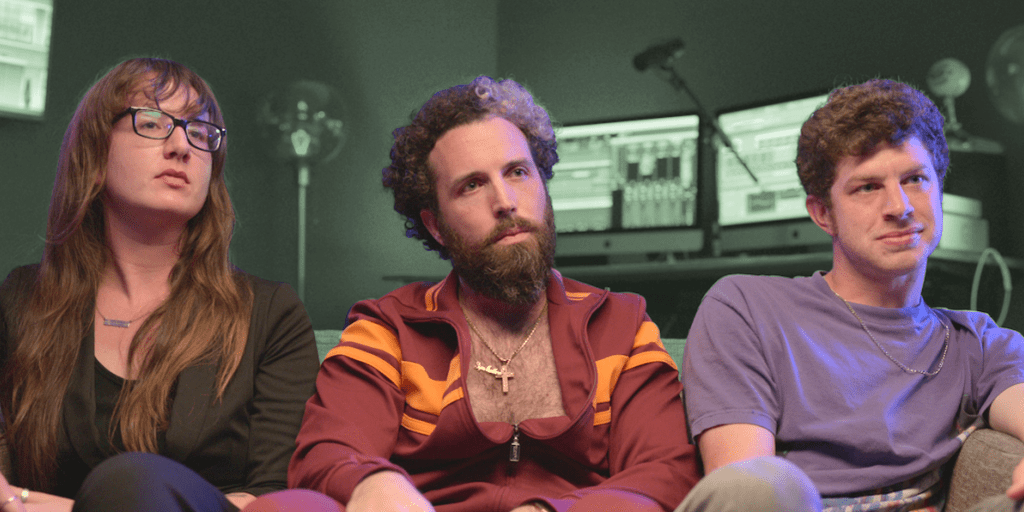
These individuals often are using the trading platform Robin Hood. For no dollars, the individual could buy and sell stock. Robin Hood would then put the buy/sell request through a “market creator”. So that is the background. There are a few individuals who do some research and are cheering for the underdog. They buy up some GameStop stock. Some going online and touting the stock, through Reddit and other places online, and they gain some momentum. It becomes a little guy versus Wall Street. By driving up the price, for a stock with no fundamentals, the pressure was put on those hedge fund managers. The documentary explores the details of it, where one of the hedge funds eventually had to pay out billions for their position in this one stock. The stock had gone from $16 a share in short order to over $500.
For me, it was the aftermath of the rise and fall of this stock where Congress and the regulators got involved and wanted to investigate. For me, I scratched my head and wondered about “home of the free” and adults being able to make their own choices. How does an online guy who speaks about what he is personally investing in, in any way different from a Warren Buffet or a Jim Cramer on CNN? The difference would be the losses of all these Wall Street hedge fund managers! In the 2009 financial meltdown, those same Wall Street folks sought and obtained a bailoout from Congress. The little investor who lost their home, or were foreclosed weren’r compensated. Some of those involved with GameStop saw their parents or relations get impacted by those 2009 events. If you haven’t watched The Big Short, check it out for details of it. Or watch Wall Street years ago with Michael Douglas as Gordon Gecko. In the end, as a small investor myself, I am intrigued by this story. One because I wish I had caught a GameStop early (because every one wishes to win a lottery ticket) but also because I am sympathethic to the person who picks stocks, does research and hopes for the best, when the big players are the waves that can have you rise or fall with little thought of your personal situation. Sure some of the individual small investors were quirky and unusual. But isn’t that what the stock market wants? More participation? Or do they just want more chum for the sharks who swim around and decide which companies they are going to support or dump? Check it out and decide for yourself. It’s worth your time.
 Mondays With Robbie